Calorie Deficit Diet: The Only Diet That Actually Works
Every successful diet creates a calorie deficit. Skip the gimmicks and learn how to eat fewer calories than you burn - the proven path to weight loss.
A calorie deficit occurs when you consume fewer calories than your body burns for energy.
Your body needs energy to power everything: breathing, thinking, walking, digesting food. It gets that energy from the calories in food. When you eat more calories than you burn, your body stores the extra as fat. When you eat fewer calories than you burn, your body must tap into those fat stores for energy. This leads to weight loss.
The simple truth: You won't lose weight without a calorie deficit. It's not optional — it's the only mechanism that causes fat loss.
The difference? A calorie deficit diet is straightforward: eat less than you burn. No food groups are off-limits. No complicated rules. Just consistent tracking.
Creating a deficit is simple math:
Step 1: Calculate your maintenance calories (TDEE - Total Daily Energy Expenditure)
This is how many calories your body burns daily based on your age, weight, height, and activity level.
Step 2: Subtract 300-500 calories
A 500-calorie deficit typically leads to 1 pound of weight loss per week. This is sustainable and safe for most adults.
Important: Don't go below 1,200 calories for women or 1,500 for men unless medically supervised. Too large a deficit causes fatigue, muscle loss, and makes the diet unsustainable.
Use the calculator below to find your personalized deficit.
Find out exactly how many calories you should eat to lose weight safely
There's no single "calorie deficit diet" menu — you can eat anything as long as you stay under your calorie target. That said, some foods make it easier.
High-protein foods - Keep you full longer and preserve muscle mass
High-fiber foods - Fill you up with fewer calories
Pro tip: Drink water. When you feel hungry, it may actually be thirst. Plus, replacing soda and juice with water alone can create a 200-300 calorie deficit.
Daily total: 1,500-1,700 calories (adjust portions to hit your target)
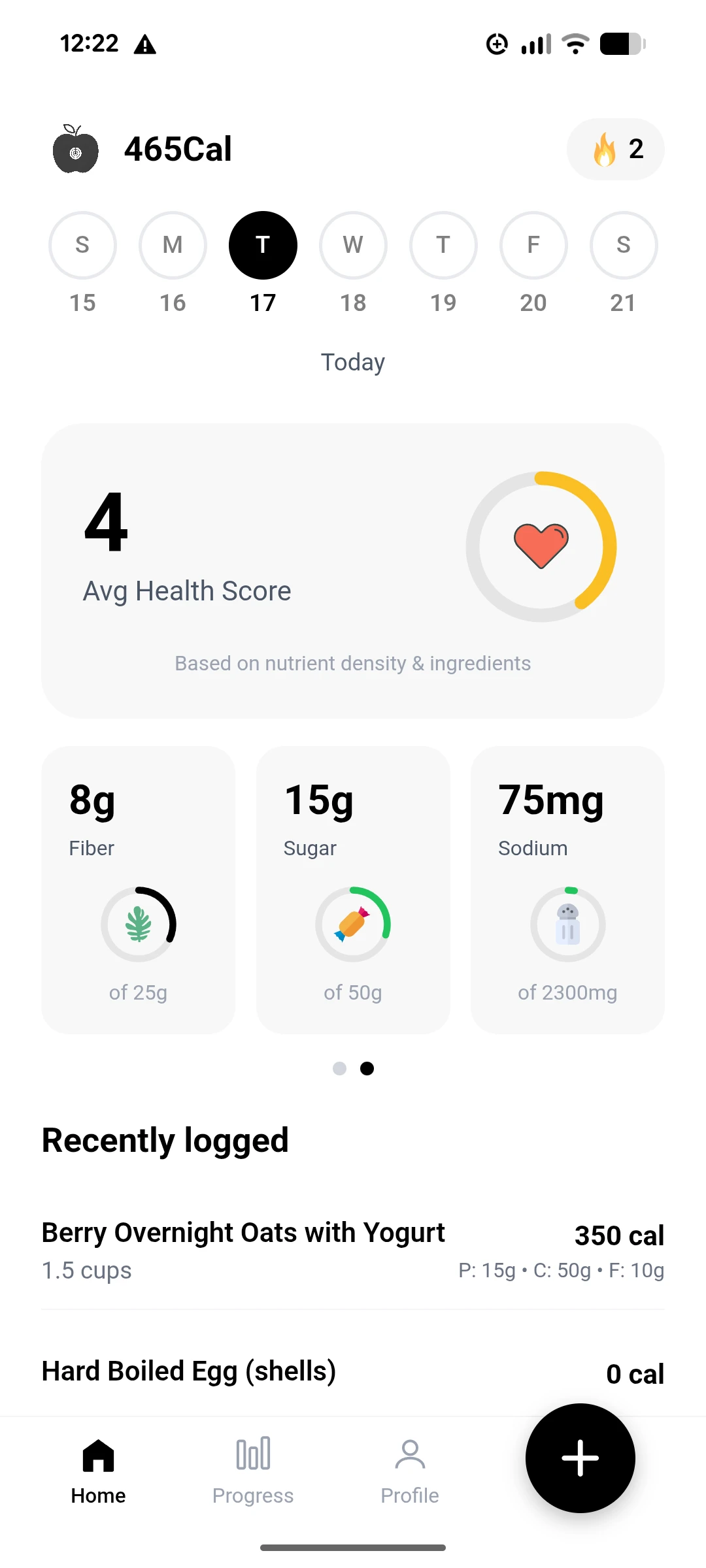
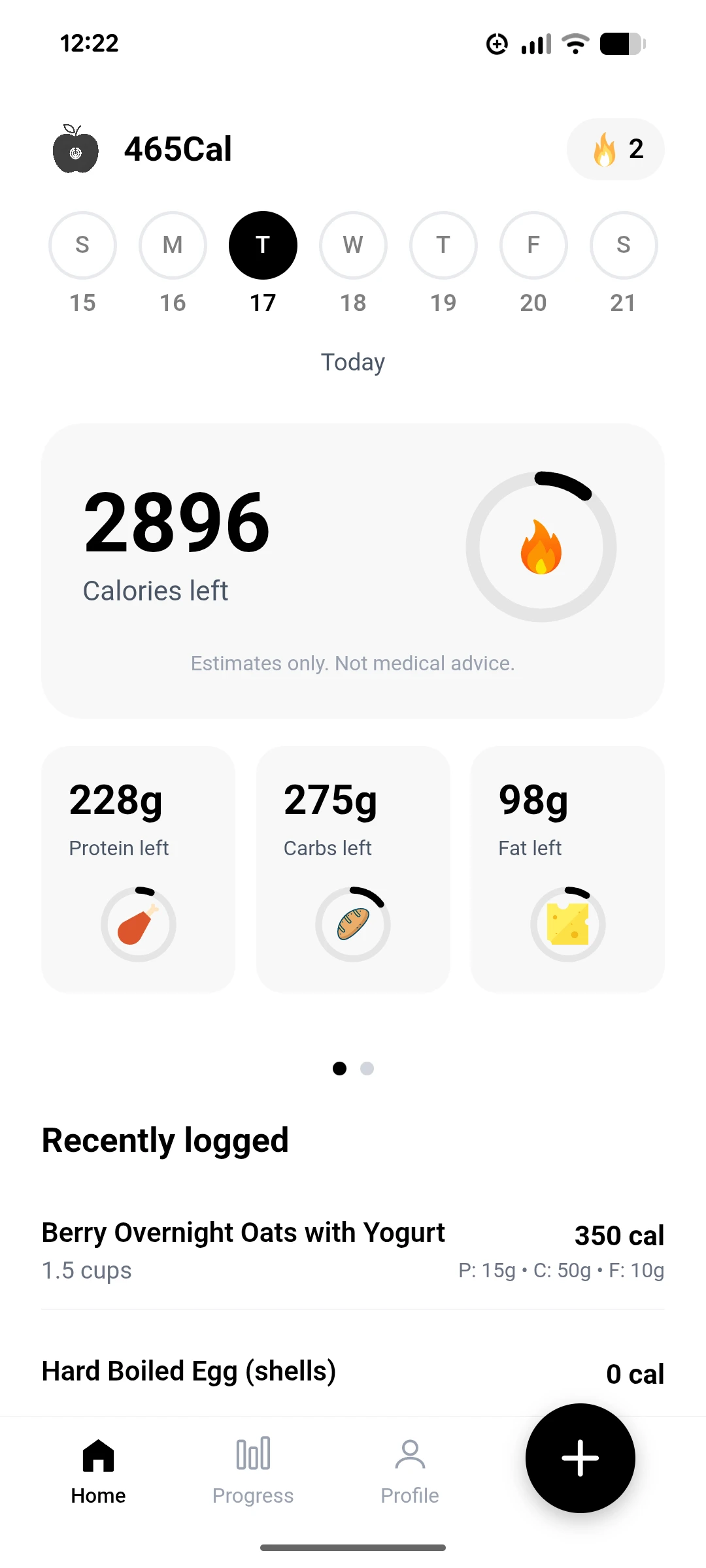
Snap a photo, get instant calorie counts with AI. No more tedious food logging.
Manual food logging is tedious and time-consuming
Snap a photo and get instant AI-powered calorie counts
No credit card required • Free 3 day trial • Cancel anytime
Research shows diet changes raise your deficit more easily than exercise alone. You can't out-exercise a bad diet. Focus on hitting your calorie target first.
Aim for 150 minutes of moderate exercise weekly (brisk walking, cycling, swimming). Or 75 minutes of vigorous exercise (running, HIIT, heavy yard work).
Most people overestimate exercise calories. A 30-minute run might burn 300 calories, not 600. Track your food accurately and let exercise be a bonus.
A moderate calorie deficit (300-500 calories below maintenance) is safe for most adults. However, going too extreme can cause problems.
You can maintain a calorie deficit until you reach your goal weight, as long as you feel comfortable and aren't experiencing negative side effects. Most people lose 0.5-2 lbs per week depending on their deficit size.
Important: Recalculate your calorie needs every 10-15 lbs lost. As you lose weight, your body needs fewer calories, so your deficit target will change.
Always consult your doctor before starting a weight loss plan, especially if you have health conditions or take medications.
A good calorie deficit diet focuses on whole foods high in protein and fiber, which keep you full longer. Eat lean proteins (chicken, fish, eggs), vegetables, fruits, whole grains, and healthy fats in moderation. Aim for a 300-500 calorie deficit below your maintenance level.
First, calculate your TDEE (maintenance calories) based on your age, weight, height, and activity level. Then subtract 300-500 calories from that number. For example: if your TDEE is 2,000 calories, aim for 1,500-1,700 calories daily for a healthy deficit.
1,200 calories is a deficit if your body burns more than 1,200 calories daily. For most adults, this is true. However, 1,200 is the minimum recommended for women (1,500 for men). Going lower can be unhealthy without medical supervision.
With a 500-calorie daily deficit, expect to lose about 1 pound per week. A 300-calorie deficit leads to about 0.5 lbs per week. Weight loss is gradual — plan for 2-6 months depending on your goals.
If you're not losing weight, you're likely not in a true deficit. Common reasons: underestimating portion sizes, forgetting to track drinks/snacks, or overestimating exercise calories. Try tracking more carefully for 2 weeks. If still stuck, see your doctor — some medications and conditions affect weight loss.
Yes, especially if you're new to strength training. Keep your deficit small (200-300 calories), eat plenty of protein (0.8-1g per pound bodyweight), and lift weights 2-3 times weekly. Building muscle while losing fat is harder than bulking, but possible with the right approach.
You now know exactly how to create a calorie deficit diet that works. Stay consistent with effortless AI tracking.
Manual entry, endless searching, time-consuming
Photo recognition, instant results, effortless tracking
No credit card required • Free 3 day trial • Cancel anytime
Last Updated:
Medical Review by 465Cal Nutrition Team • Fact-checked for accuracy